Mute flower
Conners Conners
2 July 2026
Joseph Doggett-Williams is a painter-turned-sculptor whose practice is grounded in the transformation of disparate materials (sometimes found, sometimes fabricated, sometimes both) into something new that changes their meaning or function.
The magic in this act of metamorphosis is in the approach. Unlike dedicated found art practices where assemblages are often made with minimal intervention, Doggett-Williams’ practice is defined by the decisive recalibration of materials into new, sculptural forms. These forms, rather than appearing as a perplexing mess strewn across the gallery floor, appear instead as resolved, materially refined works of art. Ipso facto something new, risen from the ashes of capitalism’s glut, by Doggett-Williams’ hand.
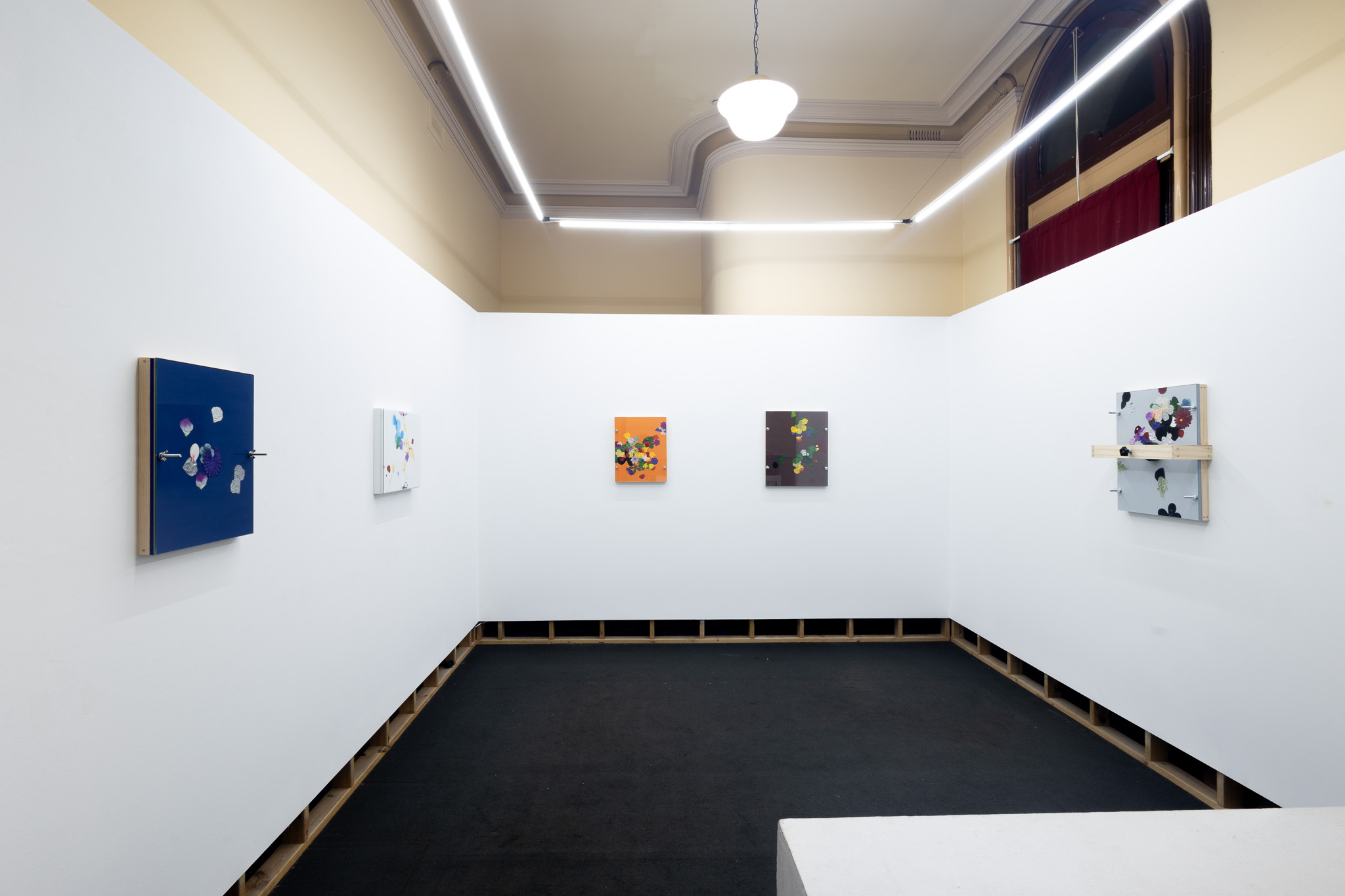
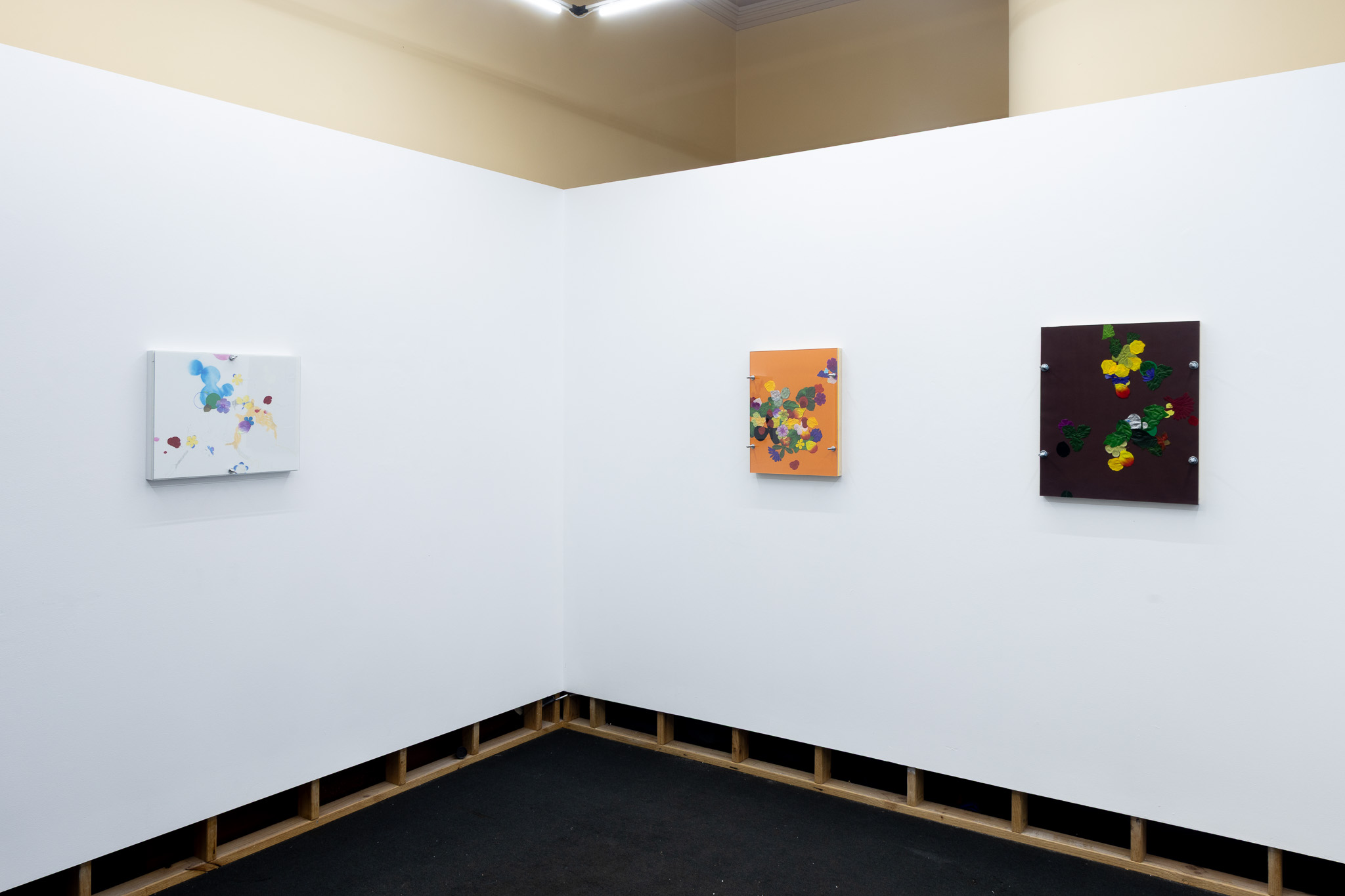
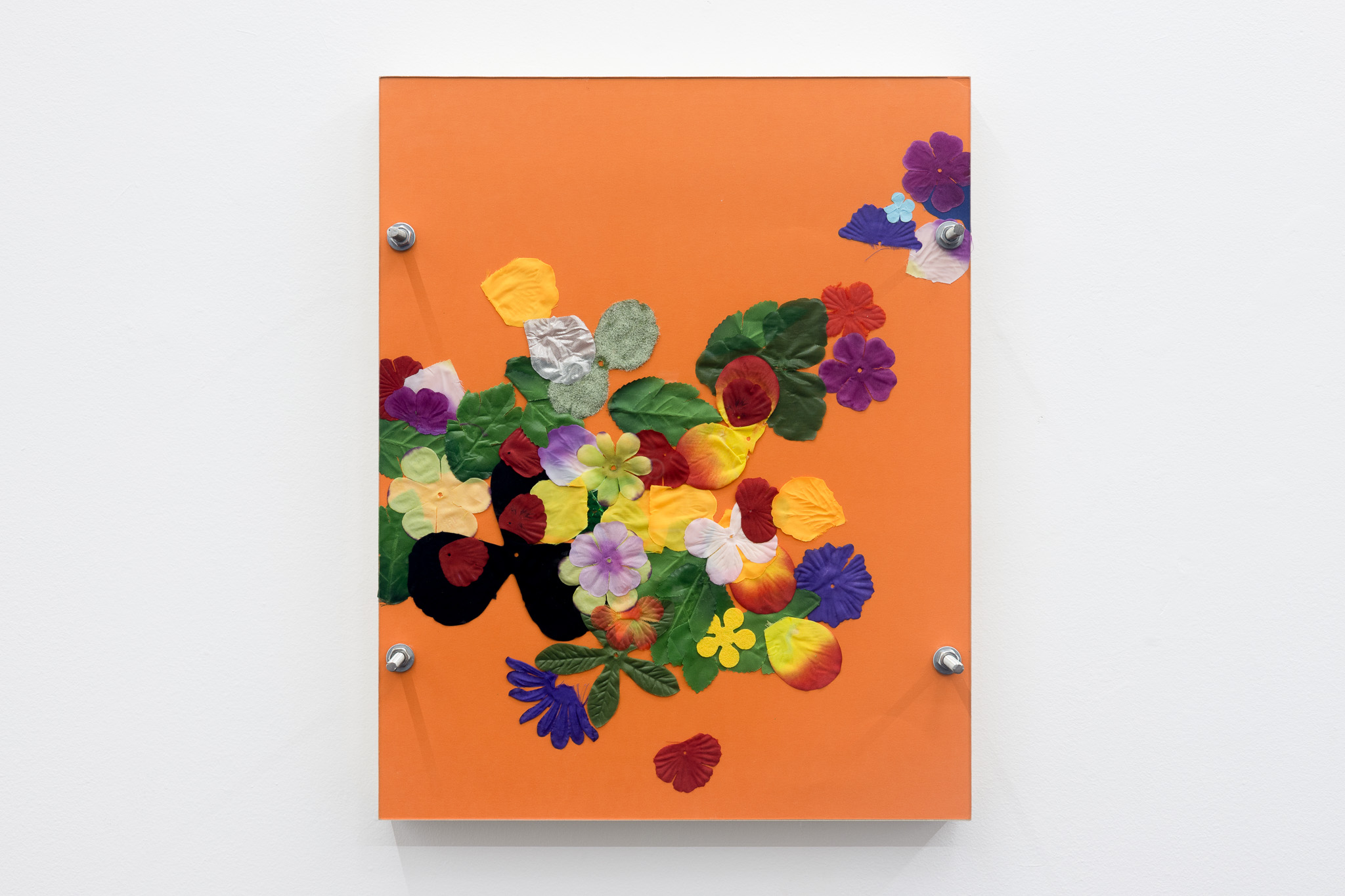
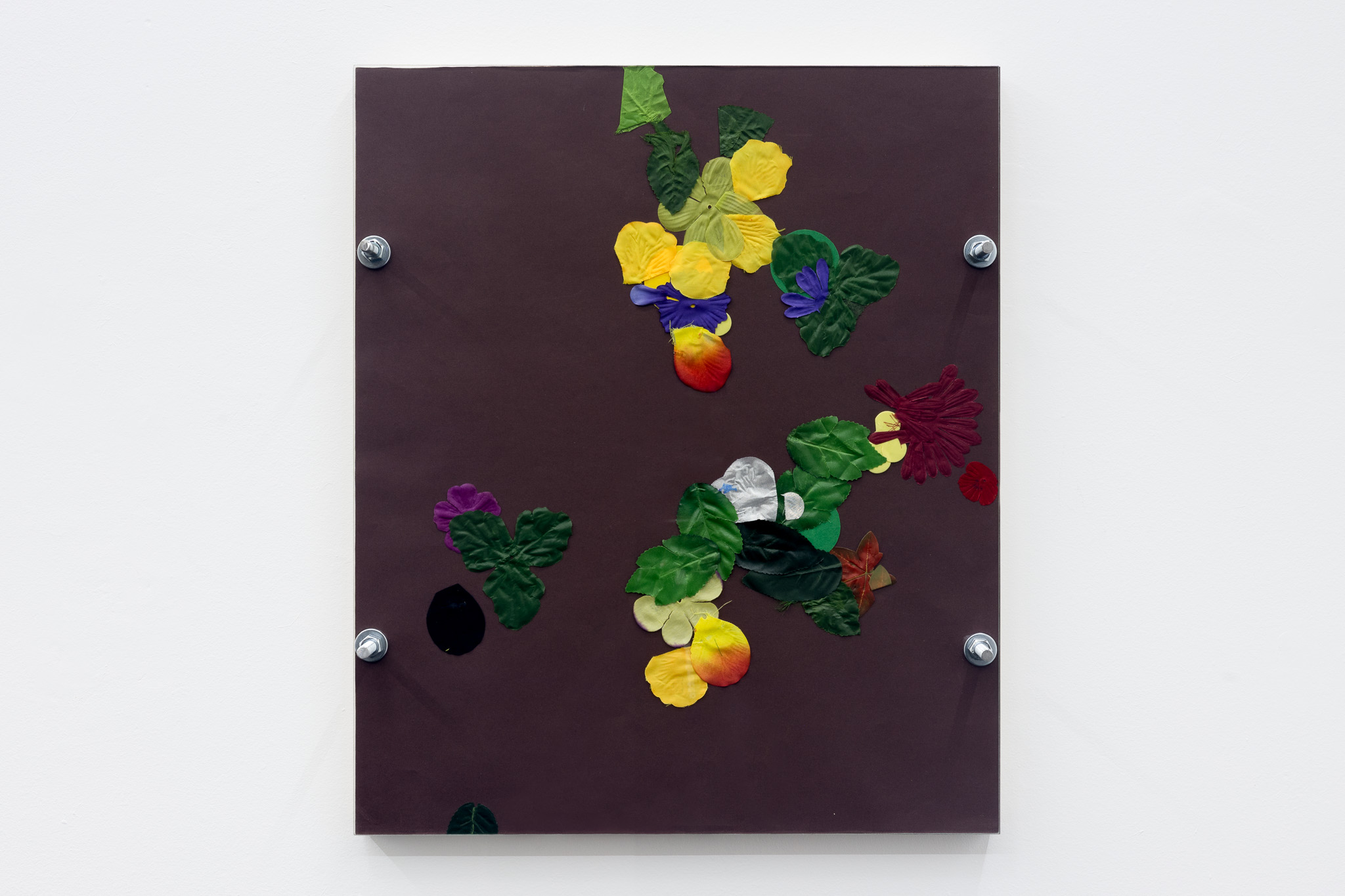
In Mute flower, Doggett-Williams continues in this vein, with a series of what he calls ‘assemblage paintings,’ that take as their subject that which historically has captivated painters across decades and movements—the effortless beauty of the flower.
But far from the mute spectacle of two-dimensional floral paintings, Doggett-Williams’ assemblages employ the flower press as a dual conceptual and structural device, by which to point at humanity’s fixation with preserving that which we find beautiful, often by ludicrous and violent means.
Flower pressing dates back some 3000 years, to the pressing of garlands in Egyptian tombs. Its history can then be traced along colonial trade routes, from 16th century Japanese Oshibana practices to 18 and 19th century Victorian women’s crafts. It’s even something my own paternal grandmother taught me as a child, one rainy afternoon.
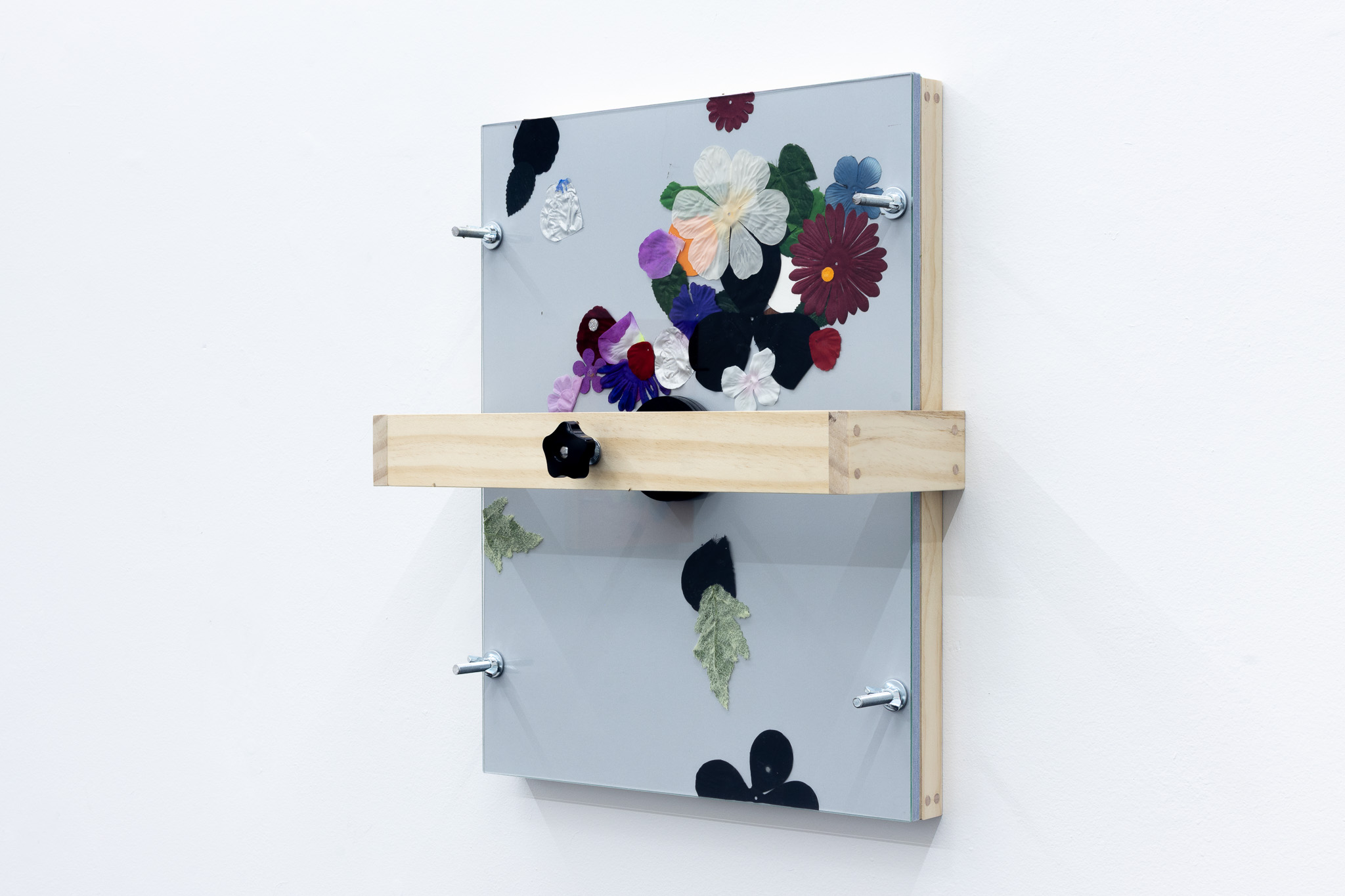
To keep a flower beautiful forever, the simplest way is to squish it between the pages of a thick book, or to use a dedicated flower press, whereby you place flowers and paper between two wooden boards, pressed together by tightened wingnuts. The force evacuates the flower of its moisture, preserving its colour and form.
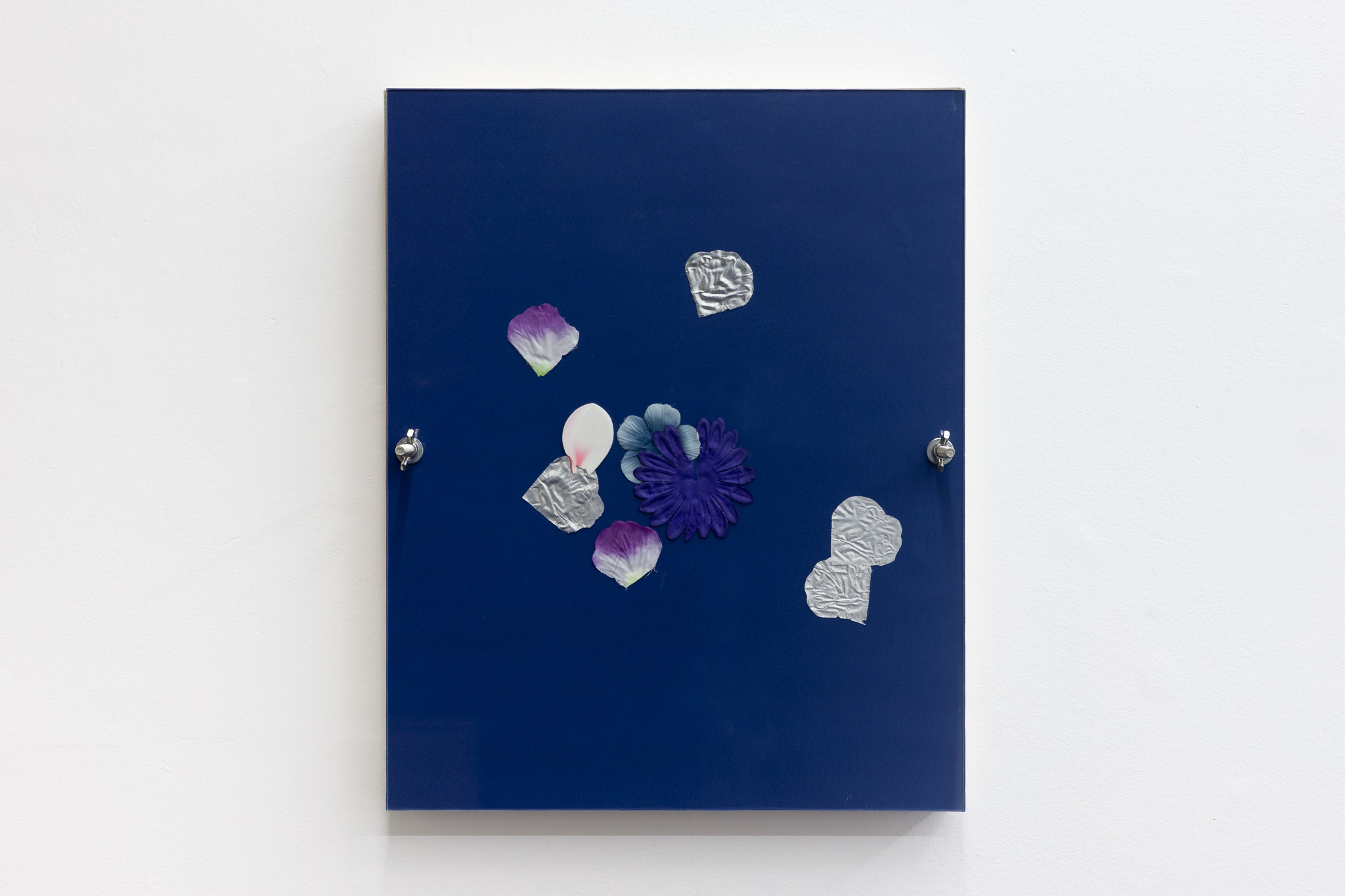
A precursory Google of the words ‘flower press’ reveals Amazon sales ads for structures very much akin to those Doggett-Williams has made for Mute flower. Sandwiched between MDF, felt and glass, Doggett-Williams has used an existing collection of fake plastic flowers, to create works of petals, whole flowers and leaves, that are tonally and compositionally consistent with what we’ve come to
expect of floral painting, in that they signal an expected beauty.
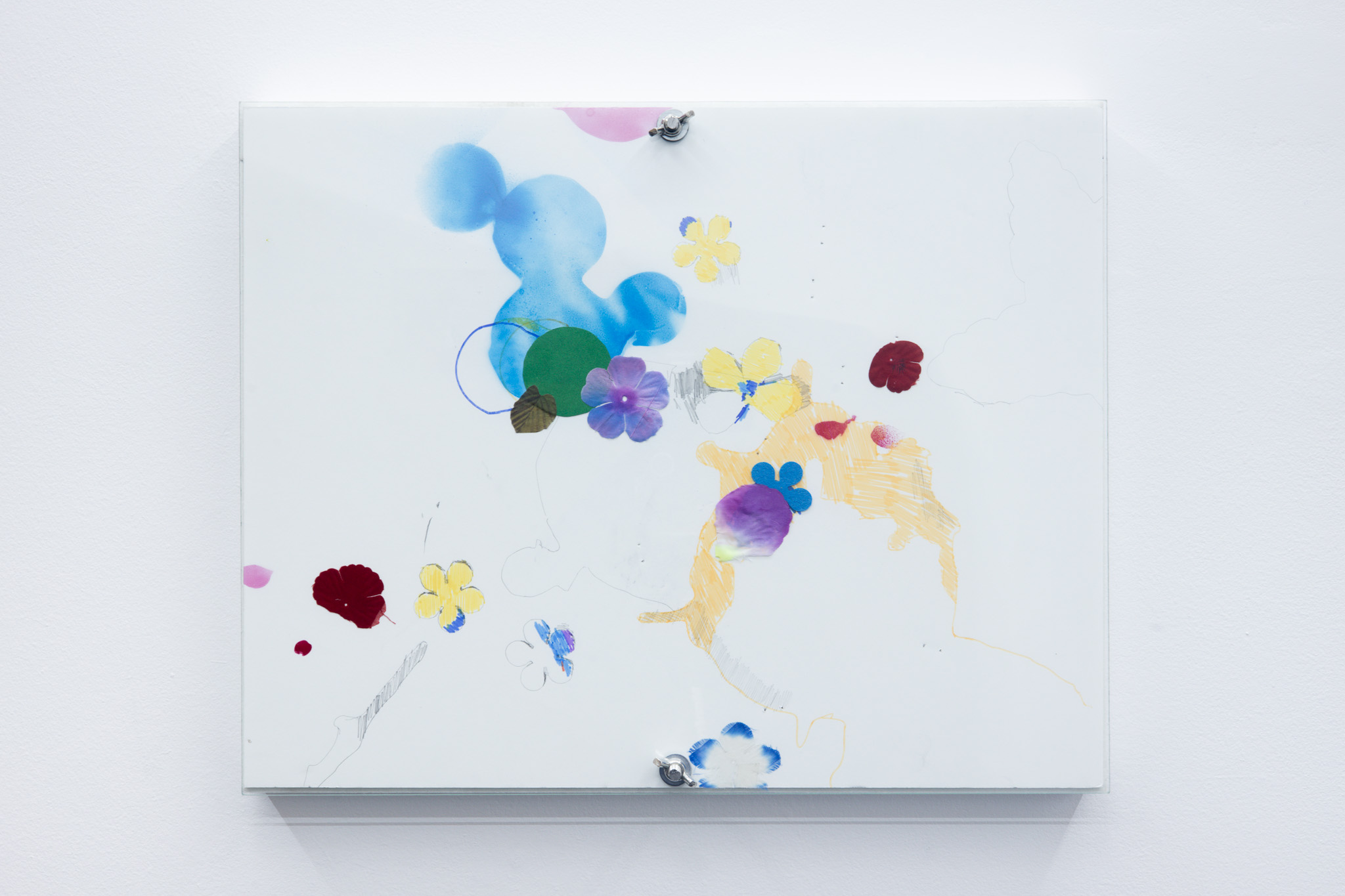
This gesture, of preserving fake flowers made of plastic—a man-made material that will outlive all who see these works—behind a pane of glass, pierced by large bolts, is comical and nuanced. Plastic flowers and flower pressing are different means of achieving the same end—immortalising the flower and by extension, its beauty. This humour is amplified in Alteration (2026), in which Doggett-Williams
also employs texta, paint and pencil, further faking the fake.
Maybe she’s born with it, maybe it’s Maybelline, retinol, Ozempic, illegal peptides, a $500 red light mask, a 20 pill a day supplement stack, Botox, a lip flip, a nip tuck on Photoshop and the application of a beauty filter that erases pigment, pockmarks and fine lines.
These are the everyday ‘self-preservation’ steps taken, before we even contemplate presenting ourselves on the technofeudal platforms we toil at all day. Awash in a sea of AI slop and ‘optimised’ humanity, the real is now indistinguishable from the fake and constantly in a state of flux. We live in the age of artifice, where reality is subjective and beauty has become increasingly hollow and perverse.
Doggett-Williams’ presentation of preserved, artificial flowers, wall-mounted as if they were in fact decorative flower paintings, forces an acknowledgment that beauty and its preservation is socially constructed and beyond that, farcical. By asking you to accept the fake as real, Doggett-Williams is asking you to buy into a joke—that if you’ve ever taken any of the aforementioned steps—you’re already well apart of.
Beautiful fake, Anador Walsh